What can inspection cameras do?
Inspect inside a wall, a pipe, air ducts, fireplaces, and space heaters.
Inspect under water, under floors, under roofs.
Answer questions such as;
What color is the pipe? Where is the crack? Is the clothes dryer exhaust safe?
Are the air ducts dirty? Is the boat fouled? Is there termite damage?
Is there water damage? What type of pipe is it?
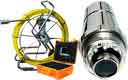
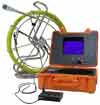
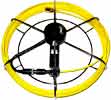
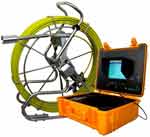
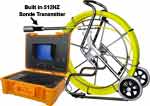
This is important information to read about your Fiberglass Cable.
How do I care for my fiberglass cable?
How do I use my inspection camera system?
The intended use of our inspection camera systems is to visually identify problems and measure the distance to the problem.
You can put a band of black electrical tape around the fiberglass rod at 10-foot intervals.
You can put a band of duct tape around the fiberglass rod at 50-foot intervals.
This can help in estimating the penetration distance.
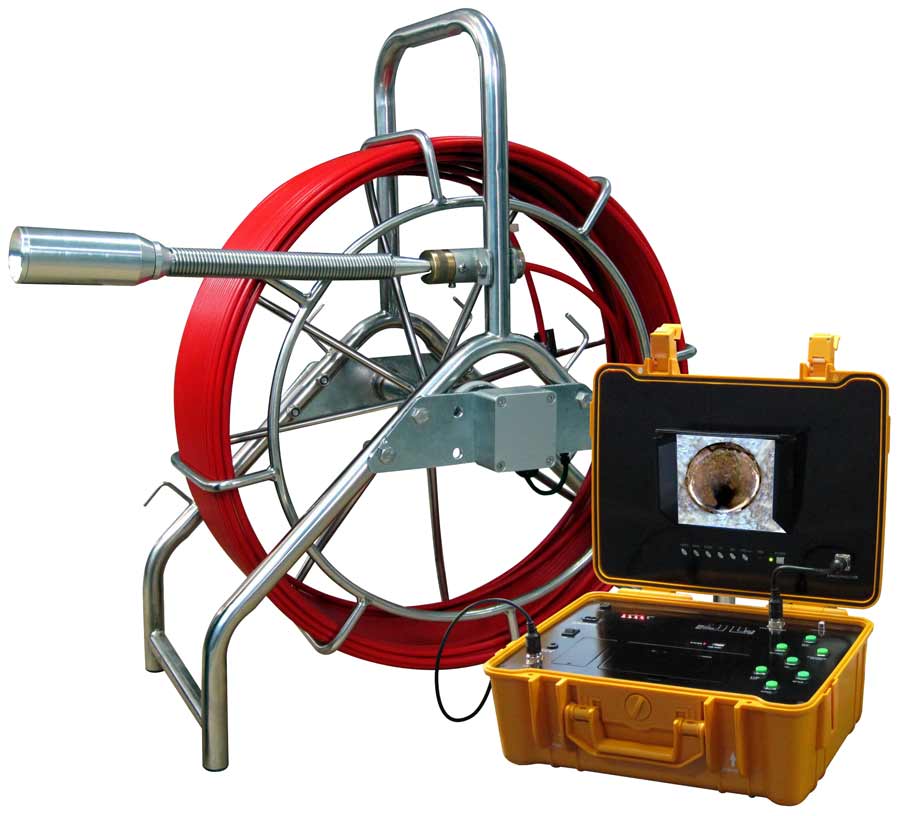
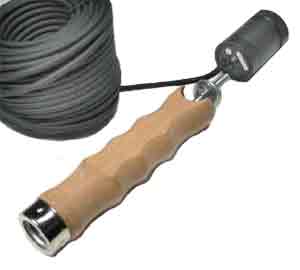
The center of the fiberglass rod has wires that connect to the camera.
The camera and fiberglass rod/cable is not a plumber's snake.
Do not use the fiberglass rod as a plumber's snake.
Use only for seeing and measuring. Do not push or pull anything.
Use tender loving care and finesse in maneuver bends in the pipe.
Never force the rod.
Never bend the rod more than that amount on the reel.
Keep the bend radius greater than the radius of the reel it came with.
A tighter or smaller bend radius may crack or break the fiberglass cable.
A plumber's snake is made to push and pull using moderate strength.
A plumber's snake is used to clear blockages.
A plumber's snake is made to maneuver bends in the pipe with brute force.
Your inspection camera system is not a plumber's snake.
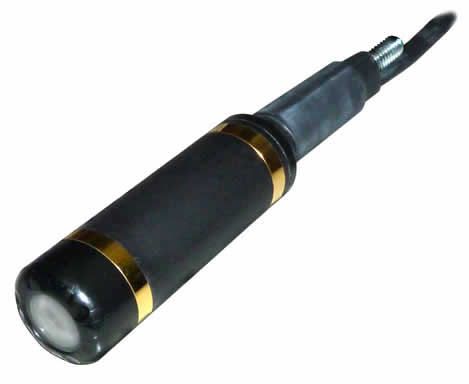
You can effectively stiffen the spring connecting the camera to the fiberglass rod.
You can wrap stiffer material from the cameras midpoint to the fiberglass rod inclosing the spring.
You can use simple stiffing materials such as sheets or rods of plastic, rubber etc.
You can affix the stiff materials using plastic tie wraps, rubber bands, copper wire etc.
Some of our customers have connected their inspection cameras to the center of their air duct brushes.
This helps to keep the camera centered in the duct.
It also keeps the camera off the bottom of the duct where it can get hung up or stuck.
Some of our customers have made skids to keep their cameras centered in larger water and sewer pipes.
Safety first
Never enter a dangerous area with anything including inspection equipment and yourself.
Avoided explosive atmospheres, mechanically moving parts, electrically hot circuits, dangerous animals and insects, radioactive and biologically hot areas. All unknown areas are dangerous!
Only inspect areas that are known to be free of all dangers.
If you have any doubt always consult an authority.
Using your head now will allow you to live long enough to use your head later.
Please use all equipment in a safe and sane way.
Please read all the warnings on this web page and on the instruction sheet that comes with your camera.
Please search Google and read about 'Instructions for using electrical equipment safely'.
Not for Medical or Veterinary use.
Not for dangerous environments such as high voltage, explosive, moving machinery, etc.
Think about your safety before you put any video inspection camera in any location.
Caution do not put the inspection camera (or yourself) in dangerous locations, such as moving machinery, near electricity or gasoline etc.
The flying debris or shock may hurt or kill. Remember the icam video cable conducts electricity very well like a metal pole.
Always use a UL approved GFI (ground fault interrupter) outlet!
Mounting the camera in or around water.
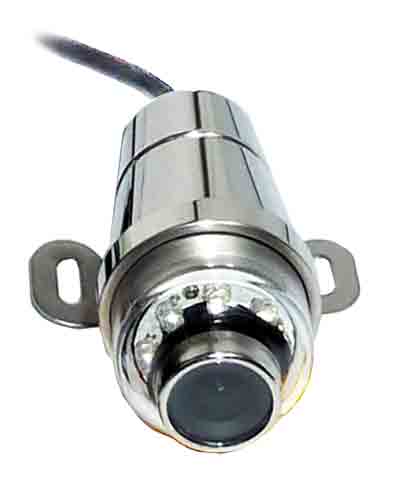
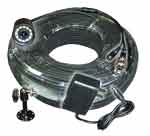
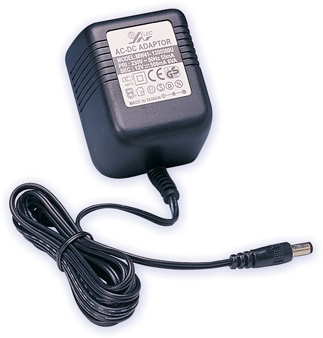
Waterproof cameras are supplied with UL approved power supplies for use with the camera.
The power adapter MUST be connected to a GFI outlet. The power supply is NOT waterproof and should be mounted indoors. Typical areas that require a GFI approved outlets are any out-door applications, garage, bathroom or kitchen locations, or any other area that may have water or moisture present. ADDITIONALLY any monitor or equipment that may be connected to the camera must also have GFI protection. Video monitors or TVs used to view your camera must be fully protected from any possible moisture contamination. Be absolutely positive before connecting any 110 VAC monitor, VCR, etc. that the monitoring device does not have stray electrical leakage that can cause a deadly electrical shock hazard. Contact a licensed electrician for further information on requirements for GFI usage. If the camera is to be used in or around a swimming pool, all system components (monitor, VCR, power supply, etc) must be located indoors with appropriate electrical shock precautions adhered to.
Safety. Privacy.
The power adapter supplied with your camera is intended for indoor installation only. Use only the power supply provided for camera power. Do not alter connections or wiring to avoid possible shock hazards or product damage. Use caution when connecting the adapter to AC voltage. Use caution when routing camera cable, AV or power cables though walls, ceilings, etc. to avoid exposure to electrical wires or other hazards. Securely mount the product to avoid possible damage or physical injury. Use the camera in a well ventilated area. Do NOT allow camera to become submerged in any liquid. Certain laws prohibit the recording or monitoring of individuals without their consent. The user of this product assumes full responsibility for any and all violations of individual’s rights regarding privacy laws. Check with your local, and state authorities for specific laws.
Camera Installation.
Your new camera will work with most DVR, computer or mordern standard video monitor. You may also use the camera with any AV compatible device such as a TV with a composite video input jacks. Refer to the televisions owner’s manual for use with a TV.
Note: This camera must be connected to a "video" input. It will not produce an image when connected to a cable TV or RF input.
This waterproof camera is supplied with a UL approved 12 VDC power supply. If the camera is to be used in an area that is required by UL and electrical code to use a GFI (ground fault interrupter), the 12 VDC adapter MUST be connected to a GFI outlet. The power supply is NOT waterproof and should be mounted indoors. Typical areas that require a GFI approved outlets are any outdoor applications, garage, bathroom or kitchen locations, or any other area that may have water or moisture present. ADDITIONALLY all system components (monitor, VCR, power supply, etc or other equipment) that may be connected to the camera, directly or indirectly, must also have GFI protection. CCTV monitors or TVs used to view the camera must be fully protected from any possible moisture contamination. Be absolutely positive before connecting any 120 VAC monitor, recording device, etc. that the device(s) does not have stray electrical leakage that can cause a dangerous or deadly electrical shock hazard once the camera comes near water. Contact a licensed electrician for further information on requirements for GFI usage. All non-waterproof system components must be located indoors with appropriate electrical shock precautions adhered to.
The same precautions apply when using the camera around earth grounded items. Such as metallic pipes, plates or equipment that may be in contact with earth or soil or water.
Inspection cameras are used for;
Heating & A/C (air conditioner) ducts, such as Rotobrush, trademark.
Close dryer vents.
Inside walls, under floors, attics, gutters and roof eves for mold and water damage.
Hard to reach locations such as tree limbs for owl and bird nests.
Law enforcement to inspect under cars and trucks, inside shipping containers and trailers.
Law enforcement to inspect under ships and in ships hatches and holes.
Aircraft industries to inspect wings and cavities, (at your own risk).
Used by chimney sweeps to inspect chimneys and flues.
Used by plumbers to inspect water supply tanks, pipes, leach lines, septic tanks and sewers.
Down wells and inside well casing's.
Used to observe and count fish.
Used underwater in sports activities.
Used to document the condition and damage of dams, bridges and monuments.
Used with automatic assembly lines to keep watch of key operations at one control point.
Used with stamping or machining steps to be sure of alignment of key parts.
Used as a navigation aid for boats and ships in troubled waters.
Used under recreational boats to find submerged objects.
Used down gopher holes to look for vermin, snakes and insects.
Steam radiator heat transfer tubes.
Mining operations and boring holes.
Used to inspect many hard to reach locations including the back of your own head, it can help to find skin moles that you would not be able to see in any other way.
It may be useful to attach an inspection camera to a 'plumbers snake' or a garden hose that can be maneuvered to the location you need to inspect.
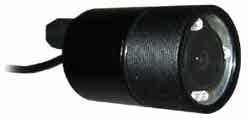
Inspection cameras are very small TV cameras with headlights.
Attaching the camera one foot behind of the tip of the snake will allow you to view your progress and the tip of the snake will take the brunt of the force banging into obstacles and 90 degree elbows.
The first foot of the snake can be used to help steer your camera in the direction of interest.
The camera will tell you when the snake is going the correct direction at a 'Y' or 'T' joint.
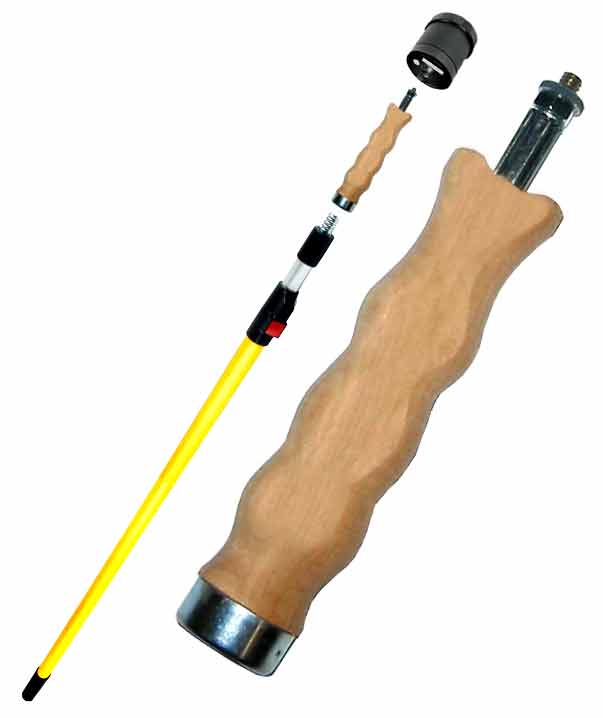
Attaching the camera to the end of a telescoping roller paint pole can help position your camera either up down or sideways.
Let us know if we can help you in any way or if you have ideas or techniques that can help others.
|










 Home Page > Inspection Cameras > Main Page








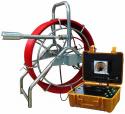
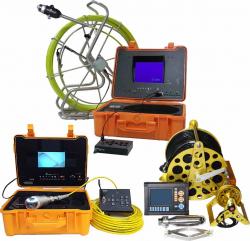
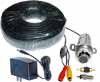

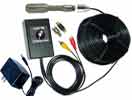
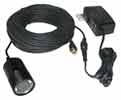
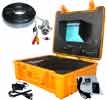
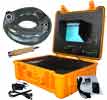
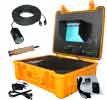
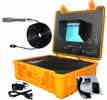
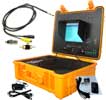
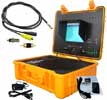
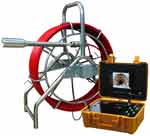
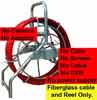

 Camera is not included.